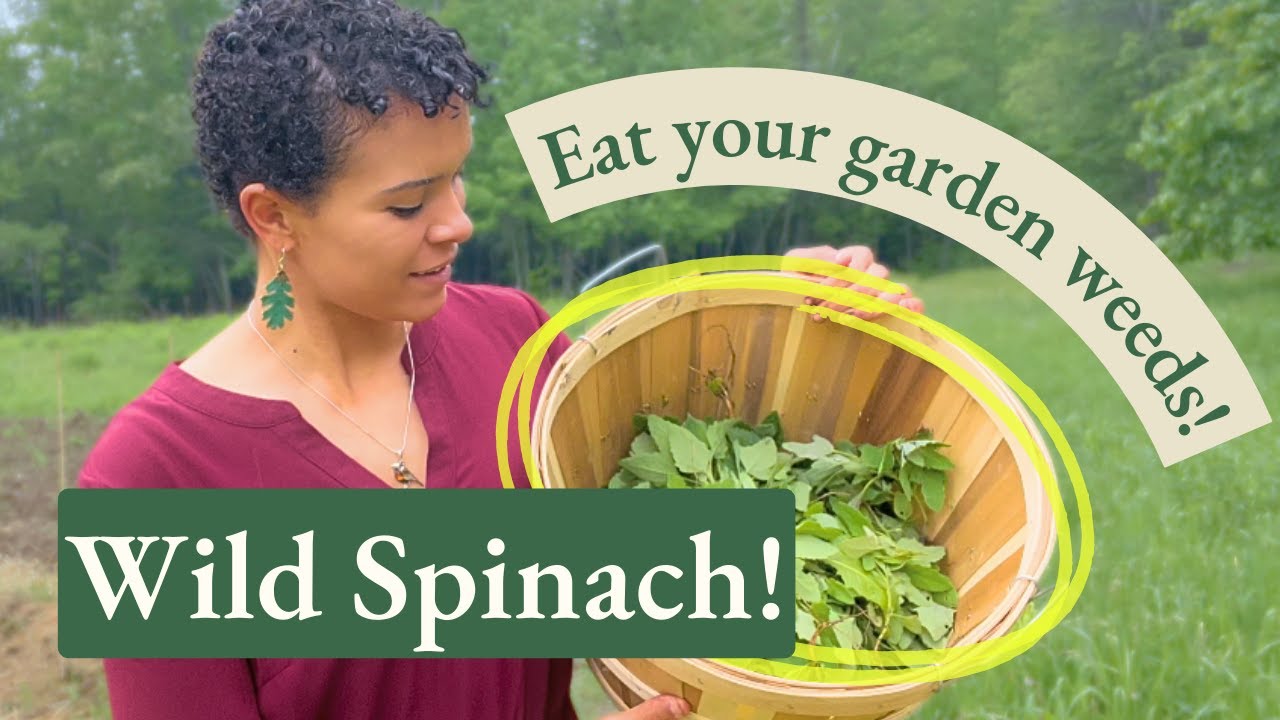
Lamb’s Quarter, also endearingly known as wild spinach, is not just another weed sprouting in your garden, it’s a nutritious gem waiting to be discovered. As you stroll through your garden, you might notice these leaves resembling a goose’s foot, often growing freely alongside your cultivated plants. Packed with more nutrients per gram than the spinach you might find at the store, this “weed” offers an unexpected bounty. Learning to identify and appreciate this plant can transform your gardening routine into a delightful foraging adventure.
With its distinctive pinkish-purple hues at the leaf base and a dusty white film on the leaves themselves, Lamb’s Quarter is not only edible but incredibly nutritious. Whether you choose to enjoy it raw or cooked, you’ll find its taste pleasantly similar to spinach, but with added benefits. This versatile plant can easily be incorporated into various meals, allowing you to enjoy a naturally wild and nutritious addition to your diet. So, next time you’re in the garden, take a moment to harvest this gift from nature and savor its rich offerings.
Understanding Lamb’s Quarter
Defining Lamb’s Quarter and Its Common Names
Lamb’s Quarter, also affectionately called goosefoot or wild spinach, is a common “weed” that is not only edible but also immensely nutritious. The Latin name for this versatile plant is Chenopodium album. It thrives in various environments and can often be found overtaking garden spaces much to the dismay of many gardeners. However, labeling it merely as a weed overlooks its potential as a valuable food source.
The Plant’s Historical and Geographic Distribution
Historically, lamb’s quarter has been a staple in various cuisines across the world. Originating from Europe, it has made its way to North America and other parts of the globe, thriving in diverse climates. Its resilience and adaptability have helped it spread far and wide, rooting itself in various cultures and traditional dishes. In North America, you’ll often find it in fields, gardens, and even urban areas—a testament to its ability to grow without human intervention.
Recognizing Its Nutritional Superiority
What sets lamb’s quarter apart is its impressive nutritional profile. Often richer in essential vitamins and minerals than cultivated greens, this plant boasts significant amounts of vitamins A and C, calcium, potassium, and iron. Its nutritional density makes it not just an alternative to spinach, but a superior choice if you’re looking to boost the nutritional intake from your meals naturally and sustainably.
How to Identify Lamb’s Quarter in the Wild
Key Features to Look For
When venturing into the wild to identify lamb’s quarter, there are several key features you want to observe. The plant typically grows upright and can reach heights of up to five feet. Its leaves are a defining characteristic, shaped somewhat like a goose’s foot, hence one of its common names. The leaf’s surface may appear powdery or dusty, contributing to its unique texture that distinguishes it from other wild greens.
Differentiating Between Lamb’s Quarter and Similar Plants
To differentiate lamb’s quarter from similar-looking plants, pay particular attention to the leaf and stem characteristics. The leaves alternate on the stem and sometimes present a pinkish-purple hue where the leaf meets the stem. Another distinguishing feature is the stem’s striped appearance, which is a variegated mix of green and purple. Unlike some harmful lookalikes, lamb’s quarter does not have spines or irritating hairs.
The Role of Its Distinctive Leaf Shape
The distinctive goosefoot shape of the leaf plays a critical role in identifying lamb’s quarter amongst other wild plants. This identifiable leaf structure, coupled with its dusty appearance and unique coloration, makes it easier for foragers to pick it out in a garden or wild setting. Recognizing these features not only aids in identification but also assists in ensuring what you pick is safe to consume.
Nutritional Comparison: Spinach vs. Lamb’s Quarter
Protein Content and Its Importance
One standout aspect of lamb’s quarter is its protein content. Unlike spinach, which offers about 3 grams of protein per 100 grams, lamb’s quarter provides a substantial 4.2 grams. Protein is crucial for muscle building and repair, making lamb’s quarter a noteworthy addition to a protein-rich diet, particularly for those seeking plant-based options.
Vitamin and Mineral Breakdown
Delving into the vitamin and mineral content, lamb’s quarter surpasses spinach in various categories. For instance, it offers approximately four times the vitamin C content, which is vital for immune function and skin health. It also contains higher levels of calcium, contributing to bone health, and more vitamin A, which supports vision and immune function. This robust nutrient profile underscores why lamb’s quarter can be an excellent nutritional powerhouse.
Summarizing the Nutritional Advantage
In summary, lamb’s quarter holds a significant nutritional advantage over its cultivated counterparts like spinach. Its elevated levels of proteins, vitamins, and minerals offer a holistic nutritional benefit that can greatly contribute to overall health when included in one’s diet. This unassuming “weed” proves to be much more than just an unwanted garden resident but rather a hidden gem in the plant world.
This image is property of i.ytimg.com.
Harvesting Lamb’s Quarter
Optimal Harvesting Time
The best time to harvest lamb’s quarter is during the early stages of growth, typically in the spring and early summer, before the plant fully matures. Younger leaves tend to be more tender and less bitter, making them ideal for culinary use. Observing seasonal cues and the plant’s growth stage will help you determine the optimal time to forage this nutritious green.
Tools and Techniques for a Successful Harvest
For successful harvesting, all you require is a good pair of scissors or gardening shears. The technique is straightforward: snip off the tender tops and leaves, avoiding large stems that can be fibrous. Regularly harvesting the top of the plant encourages new growth, ensuring that your lamb’s quarter supply can last longer through the growing season.
Preservation Tips for Maximum Freshness
To preserve lamb’s quarter and retain its freshness, it’s advisable to store it in the refrigerator. Wrapping the leaves in a damp paper towel and placing them in a plastic bag can extend their shelf life. For long-term storage, consider blanching the leaves and then freezing them—this method helps maintain their nutritional quality over time.
Safety and Sustainability When Harvesting
Understanding Local Regulations
Before you venture out to harvest lamb’s quarter, make sure to familiarize yourself with local foraging regulations. Some regions may have restrictions on harvesting wild plants, especially in protected areas. Being informed ensures that your foraging activities are both legal and responsible.
Impact of Over-Harvesting
While lamb’s quarter is a prolific grower, over-harvesting can lead to depletion of local stands, reducing supply for wildlife that may rely on it. It’s crucial to harvest sustainably, taking only what you need and allowing remaining plants to continue growing. This approach helps maintain the balance in natural ecosystems.
Promoting Sustainable Foraging Practices
Sustainable foraging practices involve more than just mindful harvesting. It includes spreading awareness about the plant’s benefits, ensuring habitats are respected, and leaving no trace during your foraging trips. Sharing knowledge and practicing sustainability ensure that lamb’s quarter and other wild foods remain available for future generations.
Enjoying Lamb’s Quarter: Culinary Uses
Eating It Raw: Taste and Texture
Lamb’s quarter boasts a mild, slightly nutty flavor when eaten raw, akin to spinach but less grassy. Its tender young leaves are perfect for salads, adding a nutritious punch without overpowering other ingredients. With a crisp texture, it makes for a refreshing addition to cold dishes and raw preparations.
Cooking Methods to Enhance Flavor
Cooking lamb’s quarter opens up an array of flavors. It can be sautéed, steamed, or stir-fried to bring out a richer taste while softening its texture. When cooked, it takes on a flavor similar to spinach but with distinct undertones that pair well with a variety of other ingredients.
Incorporating It into Everyday Meals
There are countless ways to incorporate lamb’s quarter into daily meals. You can toss it into omelets, blend it into smoothies, or even use it as a pizza topping. Its versatility means it can be adapted into any recipe calling for greens, making it a nourishing addition to your kitchen repertoire.
Health Benefits of Incorporating Wild Spinach in Your Diet
Boosting Immunity with Vital Nutrients
Lamb’s quarter is packed with vital vitamins such as A and C, which are crucial for maintaining a robust immune system. Regular consumption can help your body ward off illnesses and keep you healthy year-round.
Supporting Heart Health
Rich in antioxidants, calcium, and magnesium, lamb’s quarter supports heart health. These nutrients work together to reduce inflammation, improve heart function, and contribute to maintaining healthy blood pressure levels.
Contributing to Overall Wellness
Incorporating lamb’s quarter into your diet supports overall wellness by providing plant-based proteins, essential minerals, and fiber. This not only aids in body repair and maintenance but also promotes digestive health, making it an ideal addition to a balanced diet.
Gratitude for Nature’s Bounty
Appreciating Uncultivated Garden Friends
Learning to appreciate plants like lamb’s quarter fosters a deeper connection with nature. These uncultivated friends often provide us with nutrition and sustenance without the need for cultivation, showcasing nature’s generosity.
Reflecting on the Abundance of Wild Foods
The abundance of wild foods like lamb’s quarter is a reminder of nature’s bounty, offering sustenance in forms that are often overlooked. Reflecting on this abundance prompts gratitude and reinforces the importance of conserving these natural treasures.
Cultivating a Mindful Connection with Nature
Embracing plants like lamb’s quarter cultivates a mindful connection with the environment. It encourages us to see “weeds” not as nuisances but as potential allies in our journey towards health and self-sufficiency.
Common Misconceptions About ‘Weeds’
Challenging the Negative Perception
The perception of weeds as purely troublesome plants is outdated. Educating oneself about their potential as food, medicine, or even habitat can turn this perception around, highlighting their essential role in ecosystems.
Recognizing the Value Hidden in Plain Sight
Many “weeds” are hidden gems, offering nutritional and healing properties. Recognizing this value can change perspectives, promoting their integration into both gardens and diets as valuable assets rather than pests.
Converting Weeds to Wondrous Meal Ingredients
Brands like lamb’s quarter highlight the possibility of turning common weeds into meal-time wonders. By exploring these possibilities, you open yourself to new culinary experiences and a deeper appreciation of nature’s pantry.
Conclusion
Embracing Lamb’s Quarter as a Nutrient-Dense Ally
Embrace lamb’s quarter, not as a pesky weed but as a nutrient-dense ally. Its impressive nutritional profile makes it a beneficial addition to your diet, suitable for those seeking natural and abundant food sources.
Encouraging Exploration and Education
Explore the world of wild foods like lamb’s quarter and the rich history they carry. Education on these plants not only enriches your mind but also empowers you to make informed decisions about what you consume and grow.
Lasting Benefits of Foraging and Wild Foods
Foraging wild foods such as lamb’s quarter offers lasting benefits: a connection to nature, enhanced self-sufficiency, and improved health. By embracing these advantages, you nourish both body and soul, drawing closer to nature’s endless wisdom and generosity.